
9/22/26 Parent Workshop-The CALM Approach: Building Connection, Safety, and Flexibility with Neurodivergent Children with Parenting Coach Brock Hudson
schedule
Tuesday, September 22, 9:00pm - 10:30pm (EDT)
south_america
expand_more
Time shown in
-04:00
America, New York
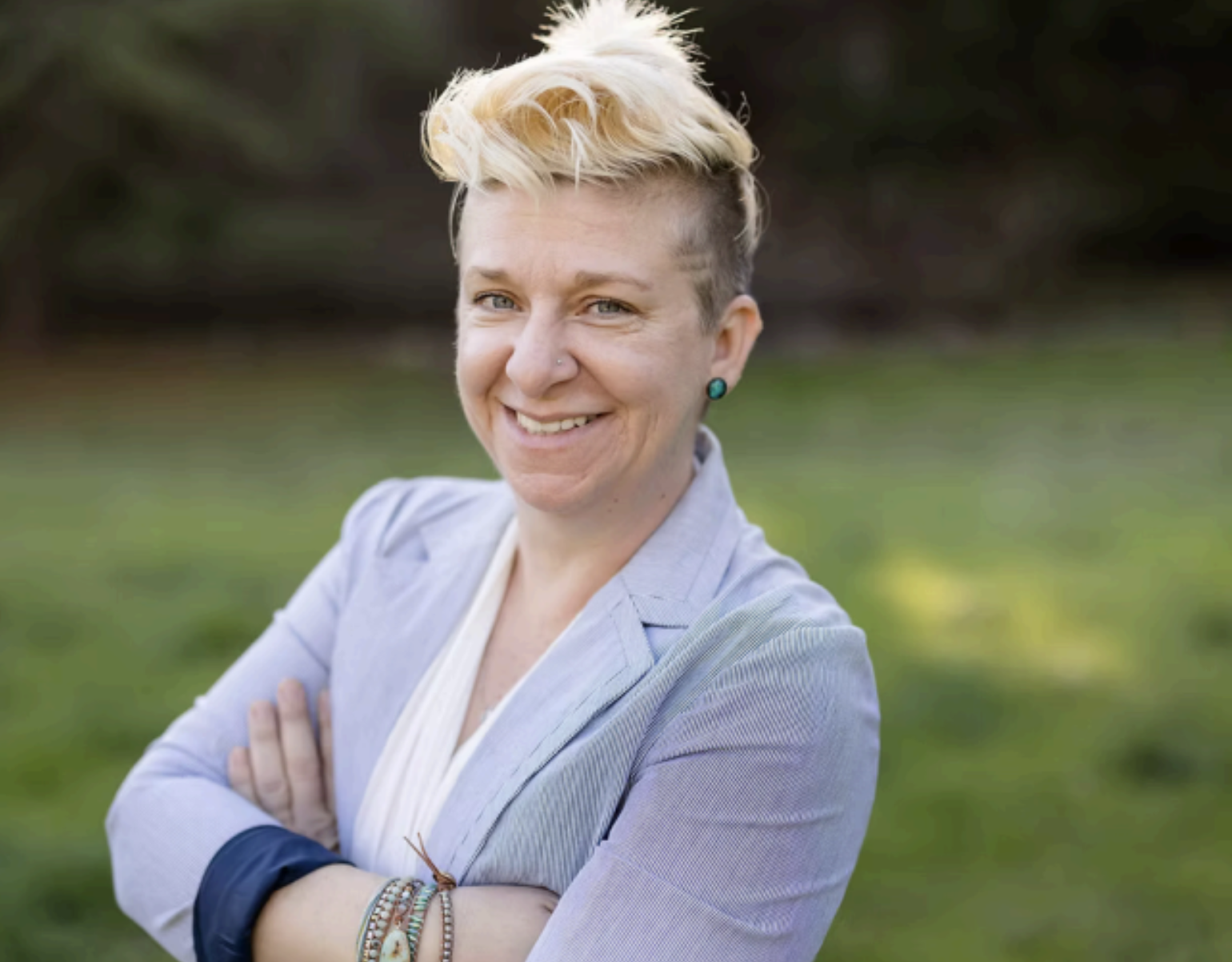
Please join us via Zoom on Tuesday, September 22nd, from 6:00-7:30 PM PST for an evening with Parenting Coach Brock Hudson (they/them) for The CALM Approach: Building Connection, Safety, and Flexibility with Neurodivergent Children.
Parenting neurodivergent children can often leave families feeling overwhelmed, disconnected, and uncertain about how to respond to challenging moments. Traditional behavior-based approaches frequently fall short when supporting children whose nervous systems experience the world differently.
This interactive workshop introduces the CALM Approach, a relationship-centered framework that helps parents better understand their child's behavior through the lens of nervous system regulation, attachment, and connection. Participants will learn practical tools to reduce power struggles, strengthen trust, and respond to difficult moments with greater confidence and compassion.
The CALM framework helps parents shift from managing behavior to understanding the needs and experiences that drive it. Through discussion, reflection, and real-world examples, participants will explore how connection creates the foundation for cooperation, resilience, and emotional growth.
This workshop is especially relevant for parents of neurodivergent children, including those with ADHD, autism, PDA (Pathological Demand Avoidance/Pervasive Drive for Autonomy), sensory differences, anxiety, and other forms of neurodivergence. Parents will leave with concrete strategies they can begin using immediately to
create more peace, flexibility, and connection at home.
Learning Objectives:
- Understand behavior through the lens of nervous system regulation and unmet needs.
- Learn the core principles of the CALM framework.
- Develop strategies to reduce conflict and increase cooperation.
- Strengthen parent-child connection during challenging moments.
- Build confidence in supporting neurodivergent children with compassion and flexibility.
- This workshop is designed to be practical, affirming, and accessible for parents seeking relationship-based approaches that honor both their child's needs and their own.
Confirmed
A confirmation email is on its way. Check your spam folder if it doesn't show up.
Add to Calendar
2026/09/22 18:00:00
2026/09/22 19:30:00
America/Los_Angeles
9/22/26 Parent Workshop-The CALM Approach: Building Connection, Safety, and Flexibility with Neurodivergent Children with Parenting Coach Brock Hudson
Please join us via Zoom on Tuesday, September 22nd, from 6:00-7:30 PM PST for an evening with Parenting Coach Brock Hudson (they/them) for The CALM Approach: Building Connection, Safety, and Flexibility with Neurodivergent Children.
Parenting neurodivergent children can often leave families feeling overwhelmed, disconnected, and uncertain about how to respond to challenging moments. Traditional behavior-based approaches frequently fall short when supporting children whose nervous systems experience the world differently.
This interactive workshop introduces the CALM Approach, a relationship-centered framework that helps parents better understand their child's behavior through the lens of nervous system regulation, attachment, and connection. Participants will learn practical tools to reduce power struggles, strengthen trust, and respond to difficult moments with greater confidence and compassion.
The CALM framework helps parents shift from managing behavior to understanding the needs and experiences that drive it. Through discussion, reflection, and real-world examples, participants will explore how connection creates the foundation for cooperation, resilience, and emotional growth.
This workshop is especially relevant for parents of neurodivergent children, including those with ADHD, autism, PDA (Pathological Demand Avoidance/Pervasive Drive for Autonomy), sensory differences, anxiety, and other forms of neurodivergence. Parents will leave with concrete strategies they can begin using immediately to
create more peace, flexibility, and connection at home.
Learning Objectives:
Parenting neurodivergent children can often leave families feeling overwhelmed, disconnected, and uncertain about how to respond to challenging moments. Traditional behavior-based approaches frequently fall short when supporting children whose nervous systems experience the world differently.
This interactive workshop introduces the CALM Approach, a relationship-centered framework that helps parents better understand their child's behavior through the lens of nervous system regulation, attachment, and connection. Participants will learn practical tools to reduce power struggles, strengthen trust, and respond to difficult moments with greater confidence and compassion.
The CALM framework helps parents shift from managing behavior to understanding the needs and experiences that drive it. Through discussion, reflection, and real-world examples, participants will explore how connection creates the foundation for cooperation, resilience, and emotional growth.
This workshop is especially relevant for parents of neurodivergent children, including those with ADHD, autism, PDA (Pathological Demand Avoidance/Pervasive Drive for Autonomy), sensory differences, anxiety, and other forms of neurodivergence. Parents will leave with concrete strategies they can begin using immediately to
create more peace, flexibility, and connection at home.
Learning Objectives:
- Understand behavior through the lens of nervous system regulation and unmet needs.
- Learn the core principles of the CALM...
---
Event details:
https://www.addevent.com/event/0s4zfpzm6kkf
Response submitted
A confirmation email is on its way. Check your spam folder if it doesn't show up.
Add to Calendar
2026/09/22 18:00:00
2026/09/22 19:30:00
America/Los_Angeles
9/22/26 Parent Workshop-The CALM Approach: Building Connection, Safety, and Flexibility with Neurodivergent Children with Parenting Coach Brock Hudson
Please join us via Zoom on Tuesday, September 22nd, from 6:00-7:30 PM PST for an evening with Parenting Coach Brock Hudson (they/them) for The CALM Approach: Building Connection, Safety, and Flexibility with Neurodivergent Children.
Parenting neurodivergent children can often leave families feeling overwhelmed, disconnected, and uncertain about how to respond to challenging moments. Traditional behavior-based approaches frequently fall short when supporting children whose nervous systems experience the world differently.
This interactive workshop introduces the CALM Approach, a relationship-centered framework that helps parents better understand their child's behavior through the lens of nervous system regulation, attachment, and connection. Participants will learn practical tools to reduce power struggles, strengthen trust, and respond to difficult moments with greater confidence and compassion.
The CALM framework helps parents shift from managing behavior to understanding the needs and experiences that drive it. Through discussion, reflection, and real-world examples, participants will explore how connection creates the foundation for cooperation, resilience, and emotional growth.
This workshop is especially relevant for parents of neurodivergent children, including those with ADHD, autism, PDA (Pathological Demand Avoidance/Pervasive Drive for Autonomy), sensory differences, anxiety, and other forms of neurodivergence. Parents will leave with concrete strategies they can begin using immediately to
create more peace, flexibility, and connection at home.
Learning Objectives:
Parenting neurodivergent children can often leave families feeling overwhelmed, disconnected, and uncertain about how to respond to challenging moments. Traditional behavior-based approaches frequently fall short when supporting children whose nervous systems experience the world differently.
This interactive workshop introduces the CALM Approach, a relationship-centered framework that helps parents better understand their child's behavior through the lens of nervous system regulation, attachment, and connection. Participants will learn practical tools to reduce power struggles, strengthen trust, and respond to difficult moments with greater confidence and compassion.
The CALM framework helps parents shift from managing behavior to understanding the needs and experiences that drive it. Through discussion, reflection, and real-world examples, participants will explore how connection creates the foundation for cooperation, resilience, and emotional growth.
This workshop is especially relevant for parents of neurodivergent children, including those with ADHD, autism, PDA (Pathological Demand Avoidance/Pervasive Drive for Autonomy), sensory differences, anxiety, and other forms of neurodivergence. Parents will leave with concrete strategies they can begin using immediately to
create more peace, flexibility, and connection at home.
Learning Objectives:
- Understand behavior through the lens of nervous system regulation and unmet needs.
- Learn the core principles of the CALM...
---
Event details:
https://www.addevent.com/event/0s4zfpzm6kkf
Response submitted
Thanks for letting us know.
location_on
https://us06web.zoom.us/j/5792093078
person
Big Minds Unschool, operations@bigminds2e.org